Community First, Audience Second: What 13 Years in YouTube Taught Me About Real Growth
I joined Daniel Kosmala on the Better Days podcast and we went deep on YouTube strategy, community building, membership pricing, and what I learned helping grow TubeBuddy's channel from 6,000 to over 500,000 subscribers. Here is what we talked about and why community always comes first.

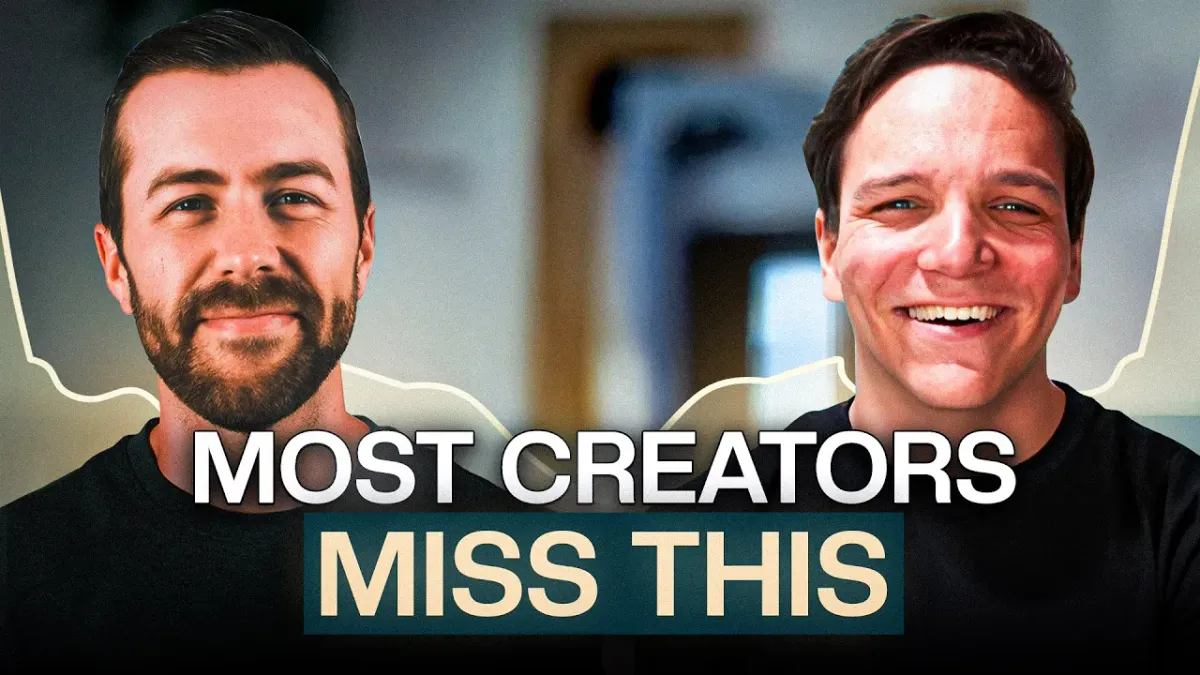
I (Andrew Kan) recently sat down with Daniel Kosmala on his "the Better Days podcast" and we ended up going into a deep conversation. What started as a conversation about YouTube strategy turned into an honest look at self doubt, the psychology of membership pricing, why most creator advice is outdated, and the moment that made me finally bet on myself.
Daniel is one of those hosts who pulls things out of you that you do not normally say out loud. There is a moment in our conversation where he flipped the mic on me and asked what I took away from one of his events... You'll have to watch and see!
Watch the full conversation on the Better Days podcast
I Have Been a Student of YouTube Since 2006
When people ask me how I know so much about YouTube, the answer is honestly pretty simple. YouTube launched in 2005. I found it in 2006. I was in middle school. So when I say this platform has been part of most of my life, I genuinely mean that! It is hard for me to remember a time before YouTube.
That early obsession led me to film school, where I chose what they called "experimental digital" over traditional media. That meant YouTube and Netflix. In hindsight, both turned out to be pretty solid bets.
I came out of film school with an internship at a YouTube MCN that turned into a full time job. I worked there for about 2 years, and then I landed at TubeBuddy, which is where most people in the creator space first came to know me. What happened next is something I go into more detail about in the episode, but here is the short version.
How Andrew Kan Helped Grow TubeBuddy From 6,000 to Over 500,000 YouTube Subscribers
One of the most common things people say to me is, "When I think of TubeBuddy, I think of you." That is one of the biggest compliments I have ever received ... but it did not start that way. When I first showed up on the channel, the audience was like, "Who is this new guy?" I had to earn my place.
The CEO of TubeBuddy, Phil Starkovich, found me through mutual communities. And that word, communities is actually the key to this entire story. I have always been a community focused person, because I realized something early on that still drives everything I do today:
If you want to grow anything, you cannot lose sight of community. - Andrew Kan
TubeBuddy originally brought me on for a single video. The response was positive, so they kept bringing me back. Eventually they saw I was not only creating content but also deeply engaged in community work, so they asked me to do both. That combination of listening to the community and then creating content that answered their real questions is what fueled the growth from about 6,000 subscribers to well over 500,000.
I also contributed tools that would be loved and inspired others "YouTube Milestones, Click Magnet Refinements, and a lot of my feedback is STILL in TubeBuddy"
Instead of making the same generic "how to grow on YouTube" content everyone else was making, I focused on fundamentals. Things like, "How do I actually upload a custom thumbnail?" Basics that seem obvious now but were needed back then. The strategy was simple: listen to what people genuinely need, then find ways to surprise them with content they did not even know they wanted.
Why "That Video Already Exists" Is Never a Good Reason Not to Create
A question I hear constantly from new creators is, "Why should I make a video about something that already has a video?" Here is why.
How Daniel teaches something might be what finally makes a concept click for you. How I teach it might be what someone else needs. Research shows that humans need to hear something about 7 times before it truly sticks. So if Daniel and I both teach it, that is 2 of the 7. You might be someone's 7th time hearing it, and that is the one that changes everything for them.
This is one of the reasons I believe YouTube is actually the best it has ever been for new creators. There is more data, more tools like A/B testing for thumbnails and detailed click through rate analytics, and more opportunity than when many of us started. Daniel and I talk about this in the episode ... we were running with a 50 pound weighted vest and did not even know it. Today's creators get to run without it. That is not unfair. That is progress. And it is the best time to start.
The Reframe That Changes How You Think About Views
Daniel shared something on the podcast that I think every creator needs to hear. Someone once told him:
"You are getting about 1,000 views a month on these videos. Can you imagine speaking to a room of 1,000 people once a month?" - Daniel Kosmala
That reframe is everything. A room of 1,000 people is a keynote at a conference. It is a packed ballroom. Stack those views over 6 months and you are filling an NFL stadium.
At TubeBuddy, our leadership had a philosophy that was actually ahead of its time: focus on retention, not views. Focus on how long people are watching, not how many people clicked. Ironically, YouTube later adopted that same philosophy for their algorithm. So we were already building with the right mindset before others caught up.
When view counts were low, I learned to ask better questions instead of getting discouraged. Did I make the best YouTube thumbnail I could? Was my YouTube title compelling enough to earn the click? What can I actually change and improve? The views you want and the views you earn are not always one to one. And those views are earned. Every single one.
The Pizza Restaurant Analogy (This One Got a Reaction)
There is a moment in the episode where I gave Daniel an analogy and you can literally see his face change. I asked him to imagine his favorite pizza restaurant. He knows what to expect. He loves it. Now imagine they announce that every Tuesday and Thursday is "Tofu Tuesday and Thursday" no pizza, only tofu.
Nothing against tofu. I like tofu. But if I went to my pizza place expecting pizza and got tofu instead, well that is a completely different experience.
This is exactly what so many YouTube channels do. They build an audience around one focus. The community loves it. Then the creator experiments with something drastically different on the same channel. The audience gets confused. Engagement drops. The creator thinks their original content stopped working, when really they just broke the promise they made to their community.
If you want to try something new, consider making a separate channel for it. Or bridge the gap. Maybe try tofu on top of pizza before going full tofu. Your audience needs to understand how you got from Point A to Point B. You will have to watch the episode to see Daniel's full reaction it was priceless.
YouTube used to have the tagline "Broadcast Yourself." They removed that for a reason. The platform shifted its philosophy to audience interest. Community and YouTube strategy are not separate things. They go hand in hand. And if you are wondering whether you should have one YouTube channel or multiple. My take is that the "go all in on one channel" advice is outdated. You are competing with dedicated channels in every niche now. I would rather you have 2 channels and see which gains traction than put everything on one and get disappointed.
The Emotion Most Creators Forget to Create
I have had the privilege of creating content for some incredible brands, including TubeBuddy and Salesforce, alongside building my own personal brand. And one thing has been consistent across every single one: the most important thing is knowing who you are talking to.
At Adobe MAX, I heard Mark Rober talk about the 9 visceral emotions. Most creators spend all their time thinking about the video itself but never ask, "How will this make the viewer feel at the end?" Will they feel relieved? Shocked? Empowered?
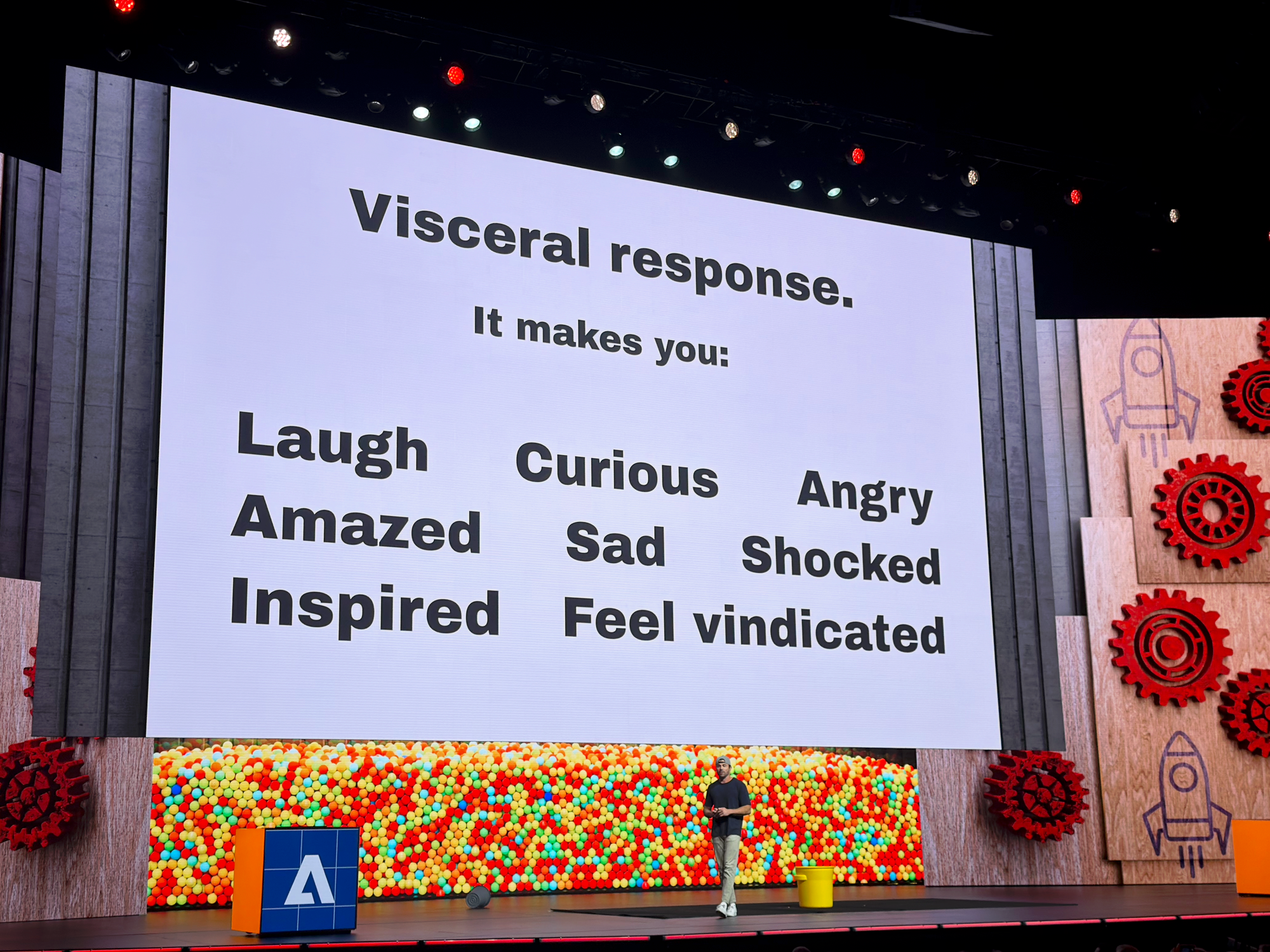
When someone watches one of my tutorials and says, "I actually think I can do this" that is the emotion or feeling. That is the signal I did something right. It is the same feeling you get when you pull up a YouTube tutorial on how to fix your garbage disposal and actually fix it. Daniel and I bonded over this exact thing in the episode, turns out neither of us knew about the reset button on the bottom of a garbage disposal until an amazing YouTuber taught us.
Whether I am working for a brand or building my own thing, success comes from the emotional response. The discipline of creating for a brand, that singular focus, that consistency of reaching the same audience over and over... it translates directly to building a personal brand. That skill transfers.
Why I Finally Bet on Myself (And Almost Did Not)
Here is something I have not talked about as openly before. When Ike Do and I started the Kan Do Creators Community, we built the community first ... before we built the business. We started a Discord server between jobs, just to help people. And then something happened that I did not expect.
The community asked to pay us.
They said, "We want coaching from you." My first response? "But ... why?" That was the self doubt talking. Even though I had spent years watching millions of creators do exactly this, I kept thinking I needed more time. More experience. One more corporate job to learn from.
But eventually I reached a point where everyone around me was saying, "No one knows YouTube like you." And I realized I was not learning anything new anymore.
Ships are safest in the harbor, but that is not what ships are built to do.
So I planned my exit. I Built up savings, set clear boundaries for what success and failure would look like. The reason is when I talked to creators who had gone full time before me, many of them just jumped. No guardrails, no savings, and no plan. Sometimes it worked. A lot of times, it did not.
If you are thinking about going full time as a YouTube creator, please plan for it. Have a financial runway. Have someone in your corner. For me, that was Ike as my co-founder and my partner Tiff supporting the decision. I want to be clear about something: none of this is a single player game. YouTube is a team sport. Behind every big creator you see is a team of people you do not see. Ike has been instrumental in everything we have built. I would not be here without her.
The Pricing Experiment That Blew My Mind
Here is something that genuinely surprised me, and Daniel and I got into a fascinating back and forth about it in the episode.
When we first launched our paid membership, we priced it at $4.99 and $9.99. We thought that was fair for YouTube education. Hardly anyone joined.
Then we raised our prices. And we saw nearly 2 to 3 times the growth.
Daniel had an explanation that made it click for me. There seems to be an inverse relationship between audience size and ideal price point. Huge creators with millions of followers tend to price low because their audience is broad. But creators with smaller, more targeted communities, people with 15,000 or 20,000 followers, or 2,500 people in a Discord (The KDCC at the time of writing) those audience members tend to have a higher willingness to invest in themselves.
He also pointed out that a $4.99 subscription feels like an ad supported streaming tier. People expect a lesser experience at that price point. When you price higher, you signal that what you are offering is premium.
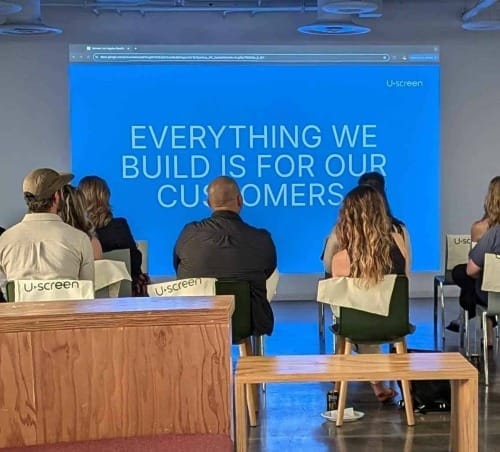
I think there is another layer to it. People are willing to pay more for education than entertainment because education is an investment in yourself. Entertainment is an investment in time. Those are two different things. And that realization ... that came from Daniel's session at the Uscreen LA event. I will let you hear how he reacted when I told him that in the full episode.
We grandfathered in everyone who supported us early at the original price, because rewarding the people who believed in you first matters.
The Gas Station Problem (And How Community Solves It)
I think of most YouTube viewers like gas station customers. Someone needs a soda, they pull in, grab it, and leave. Maybe they will come back if they are in the area. Maybe not. That is how most people treat YouTube ... they search for something, get their answer, and move on.
Daniel experienced this firsthand at Uscreen. They heavily optimized for YouTube SEO, and their average views per viewer was very low. People came for a specific answer and left. Classic gas station behavior.
But community changes everything.
Think of it like Walmart having a gas station attached. You were already going to Walmart. The gas station is just a bonus. When someone is in your community first, every video you upload becomes that bonus. They already know you. They already trust you. So when you hit publish, they show up.
My highest traffic source in the first 48 hours of any upload is our Discord community, followed by YouTube browse. That tells me the community work is doing what it should. And I built that community by helping people ... not by selling to them.
What Daniel Said That I Cannot Stop Thinking About
There is a moment toward the end of the episode where Daniel asked me what stood out from his most recent Uscreen event. And here is where it got personal for me.
He talked about things that do not scale. In a business world that has spent a decade obsessing over one to many systems and automation, he asked a question I love:
What about things that do not scale?
What can you do for one person that changes their trajectory? At the Uscreen event, when attendees walked in the door, there was a line of team members greeting them by name, walking them to check in, introducing them to other people. Every step was intentional. That kind of experience does not scale to millions of users. But it does not need to.
Then Daniel said something that hit me harder than I expected. He talked about how sometimes we are our own biggest roadblock, that we lack the ability to see what we could do. I realized in that moment ... that is something I tell other people all the time. I rarely reflect it inward.
When Ike and I got home from that event, we immediately started implementing what we learned. Experiences start the second someone engages with you. Not when they buy. Not when they subscribe. The second they show up. I am still processing that one, honestly. You will hear the full moment in the episode and understand why it landed the way it did.
Quick Hits: Things I Said That Sparked a Conversation
We ended the episode with some rapid fire questions. I will not give away all my answers here, but I will say this: when Daniel asked me for the most overrated piece of YouTube advice, my answer caught him off guard. And when he asked me about a mistake I am grateful I made ... I got honest about how long I put off building a newsletter and membership because of self doubt. I could have started years earlier. If you are reading this and you have been putting that off, take it from me. Start now.
One thing I will share: the creator habit I will never give up is writing my own videos. I know AI is out there. I use it to check readability and clarity. However, the writing itself stays with me, that is non negotiable.
The Takeaway
If there is one thing I hope you take from this conversation, it is this: audience first.
Every strategy I have used to grow channels, from TubeBuddy to Salesforce to my own brand has been rooted in understanding and serving a community. Listen to what people actually need. Show up consistently. Earn trust one video at a time. And never forget that behind every view is a real person who chose to spend their most valuable resource, their time, with you.
Watch the full conversation with Daniel on the Better Days podcast here. There are stories and moments in the episode that I did not cover in this post, and I think you will get a lot out of hearing them in context.
And if you are looking for a community of creators who are growing together with strategy, not stress ... come join us at KanDo Creators.