Why you Should or Should Not Pay for Feedback on Your YouTube Channel
Be honest, when's the last time you watched your own video like a stranger would?
You can't. Not really. You know the backstory behind every title, every edit, every "risky" choice that felt obvious to you at the time.
That knowledge is a gift and a curse. The same context that helps you make videos is exactly what blinds you to how they land.
"Is my channel actually good? Or have I just been staring at it for too long?"
That question doesn't show up in a Google search. Nobody types "youtube growth consultant" the first time they feel stuck. You type it after weeks of wondering, along, whether the problem is the thumbnails, the hook, the niche, or something you can't even name.
This post is for the "wondering" part.
You can't proofread your own channel, at least, not without bias.
It's hard to look at your own channel with an "outside look" because you're not an outsider. Every piece of your channel, you'll think about all the hard work you've done.
You know the backstory behind every video. You know why you made that choice on the thumbnail, why you picked that title over the three you drafted. That knowledge is exactly what makes you unreliable.
Because you're able to fill in gaps with context nobody else has, it's easy to think, "Why don't people understand what my video's about? It's obvious!"
Moments like this, you need to take a step back and let someone else take a look at your channel.
It doesn't have to be a consultant at first. It can be a friend whether IRL or on Discord. Or even a family member, if you trust them.
Guessing feels like progress, but it isn't.
Most stuck creators don't sit still and do nothing. In fact, you might even be doing too much. Tweaking your thumbnail style. Creating a shorter intro. Uploading on a different day. Format a new hook that you've seen worked for someone else (even if you've never actually seen their analytics).
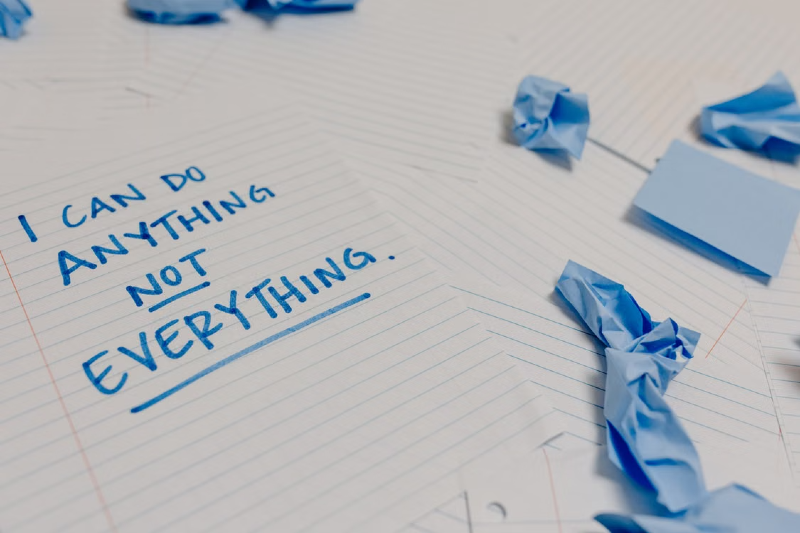
The problem isn't effort. It's guessing what produces motion while having no direction. You can spend a month A/B testing thumbnails and still not know if thumbnails were ever the actual issue.
A few signs you've slipped from strategy into guessing:
- You've changed your intro 3 times this year and still aren't sure which one is "right"
- You can list 5 things you might be doing wrong, but not which one is actually costing you
- Your view count moves, but you can't explain why
- You've started asking Discord instead of trusting your own read on the channel
The last one is worth sitting with. As the KDCC, we highly recommend you ask a YouTube community (like the KDCC Discord community). However, you shouldn't become reliant on asking all the time.
You should learn from others and apply it to your own channel, so that you begin to trust your own read on your channel.
What a trained eye actually catch
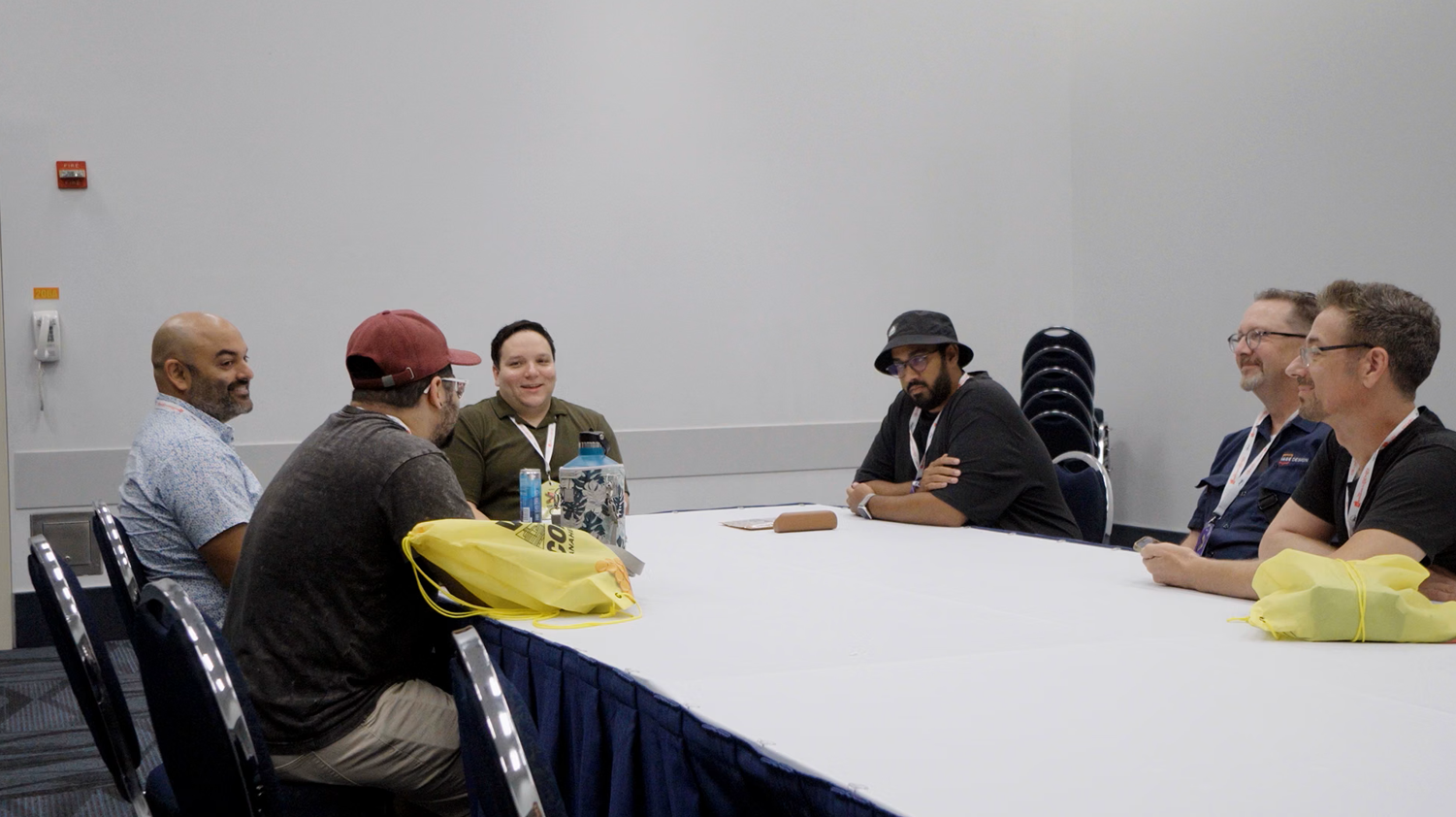
A trained eye puts in distance between you and your channel and pattern recognition.
Someone who's watched a hundred channels struggle with the same three problems can spot yours in the first couple minutes. They're not smarter than you, but it's because they're not privy to your insider knowledge. They see the video the way a stranger would see it.
That outside perspective tends to catch things like:
- The gap between your intent and your execution. What you meant the video to do vs what it actually does in the first thirty seconds.
- Patterns across videos you can't see because you're only ever looking at one at a time.
- The difference between a content problem and a packaging problem, which is the single most common thing creators misdiagnose.
- Blind spots in your niche placement that feels invisible from the inside, but obvious from the outside.
They can take the guessing out of your strategy, and set you on a plan to grow your channel.
Remember, you don't have to go at this alone. YouTube isn't a single-player game.
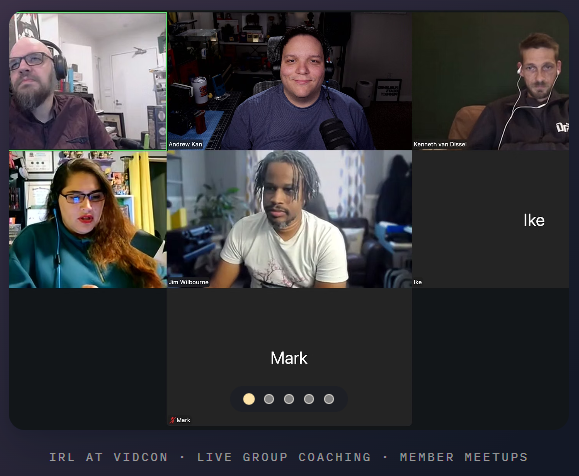
Almost every field has a version of this. Writers have editors. Athletes have coaches. Founders have advisors. So why can't YouTube be the same?
Without Derral Eves, MrBeast's channel wouldn't have blown up the way it did.
What the KDCC Group Coaching and 1:1 Consultant looks like
When you're tired of wandering around aimless and are ready to get some help, consider joining the KDCC Discord. This is the first step to getting help, whether it's for your video, thumbnail, title, and anything else relating to YouTube. Best of all, it's free to join.
Learn the KANDO Method, a free worksheet that helps you build a system so you stop guessing in five steps. It works for long-form, Shorts, and livestreams. Best of all? This method can be repeated for all of your videos.
But if the free community isn't enough for you, and you want a much more focused group with weekly group calls and a more tightknit community of serious creators, try the group coaching for 7 days.
Every tier runs on the KANDO Method. From the moment you join, you get the 40+ session replay library and a member-only Discord where Andrew Kan, Ike Do, or other members can answer your questions or give feedback.
Knowledge Members ($19.99/mo) get 2 live coaching calls a month and monthly SEO and channel reviews on the videos they submit.
Authority Members ($49.99/mo) get 4 calls a month, Authority-only sessions with live feedback, quarterly workshops, and a private forum where you can get direct access to the KDCC staff.
1:1 consulting is for when shared call time isn't enough. If you want Andrew working through your channel directly, on your schedule, that's what consulting is for. It starts with 90 minute-minute Strategy Session, and scales up from there for creators, teams, and brands who need dedicated attention rather than a monthly checkpoint.
Wherever you land (free Discord, group coaching, or 1:1), the point is the same. Stop guessing and get someone else's eyes on your channel.